When Avoiding Your Dog’s Trigger Backfires
When avoiding triggers turns into a permanent prison for you & your dog
How short-term management quietly sabotages your long-term training goals
Is avoiding your dog’s triggers ACTUALLY advocacy? When temporarily avoiding your dog’s trigger accidentally becomes you and your dog’s permanent lifestyle, starting the actual training plan for long-term change can feel overwhelming. Learn how to overcome the hurdle of starting and continuing your long-term training plan to move past constant avoidance and work toward your dog’s healthier future.
Why Dogs Hump & How to Stop It
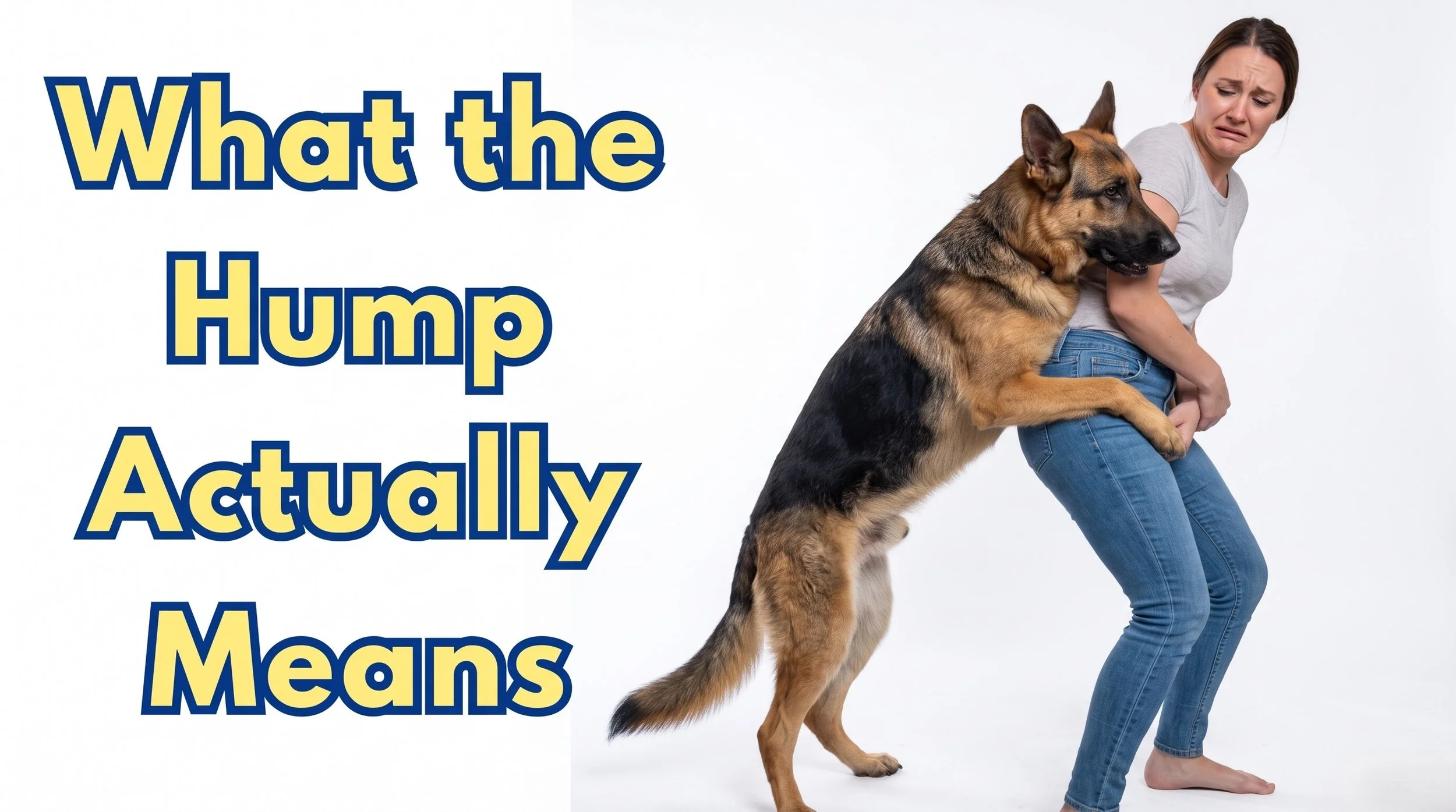
Why Dogs Hump & How to Stop It
Asserting Dominance? The Science-Backed Truth About Dog Humping Behavior
“Why does my dog hump me, guests, other dogs, or furniture?” Contrary to popular belief, dog humping isn't about asserting dominance or “being alpha”. This blog delves into canine psychology and dog body language to reveal the true reasons for dog humping (including whether neutering/spaying will stop the hump). You'll learn how to stop dog humping safely with step-by-step dog training protocols, rule out medical causes, and decode what your dog is really communicating when they hump.
The Secret to Training an Anxious Dog
The Secret to Training Your Anxious Dog
How to Handle Your Dog's Stress Signals on Walks
Is your dog’s anxiety on walks stressing YOU out?
Learn:
(1) how to help an anxious dog that is too scared to go outside,
(2) dog training protocols to desensitize both the dog and the owner,
(3) why your own anxiety affects your dog’s behavior, and
(4) how to use dog behavior science to get a confident dog.
ADHD Dog Owners:
How to Be More Consistent with Dog Training When You’re an ADHD Dog Owner
Most dog training programs are designed for neurotypical brains, leaving ADHD dog owners feeling burnt out and unmotivated.
This post breaks down why your "dopamine bucket" might be empty before you even pick up the leash. Plus, teaches how to build consistent dog training habits.
Learn:
Why hyperfocus research sessions on dog training videos might actually be sabotaging your dog's progress.
How to satisfy your brain's craving for change without derailing your dog's training plan.
The hidden cost of emotional regulation that’s draining your ability to train your dog.
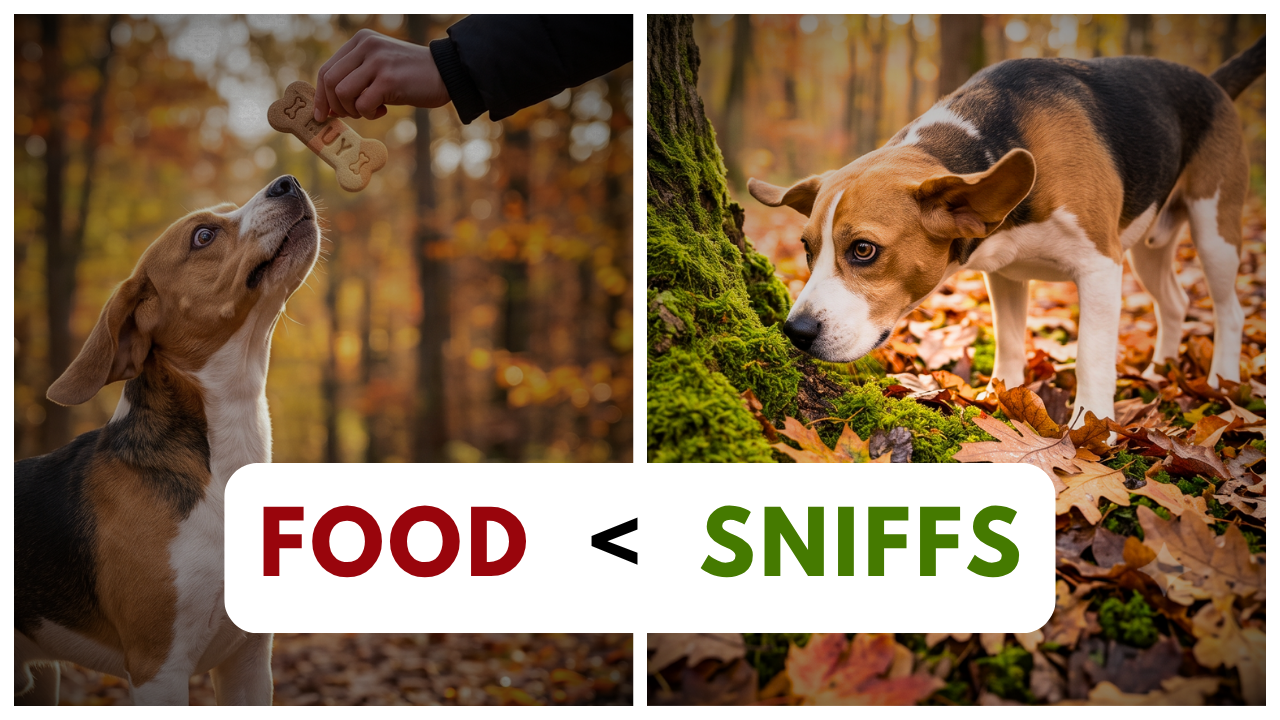
Best Way to Reward Your Dog WITHOUT Treats
Dog won’t listen to you without a treat bribe? Here’s how to fix it.
While training a puppy or new dog with treats is essential for dog / puppy training basics, you don't have to rely on food forever. I break down the best way to reward your dog without treats by leveraging environmental rewards and intrinsic motivation.
Whether you are looking for essential puppy training tips, figuring out how to train a new dog without food during walks, or wanting to know how to reward your dog using the world around them, moving beyond treat training a dog is entirely possible.
You’ll learn:
The difference between extrinsic rewards in the environment (like a stick in the woods) and intrinsic motivation.
Why some dogs naturally transition off food rewards easier than others, and how to identify what motivates your dog.
Why High Value Treats Still Get Ignored Around Big Distractions
Fix Your Dog’s Motivation Around Big Distractions
Why does your dog ignore treats around major distractions and triggers? Stop buying more ‘specialty’ treats that get ignored. Learn how to motivate your dog CORRECTLY and get focus in high-distraction environments.
#1 Mistake Dog Owners Make when Training the Eye Contact Command
How to Train Eye Contact (without treat bribes!)
Does your dog’s focus vanish the moment you stop holding a treat in your hand? Many owners accidentally trap themselves in a “bribe-or-bust” loop by luring eye contact directly in front of their face, which can cause frustration and even safety risks. This blog (with a step-by-step training plan included) covers why traditional lure training fails and teaches you what to do instead.
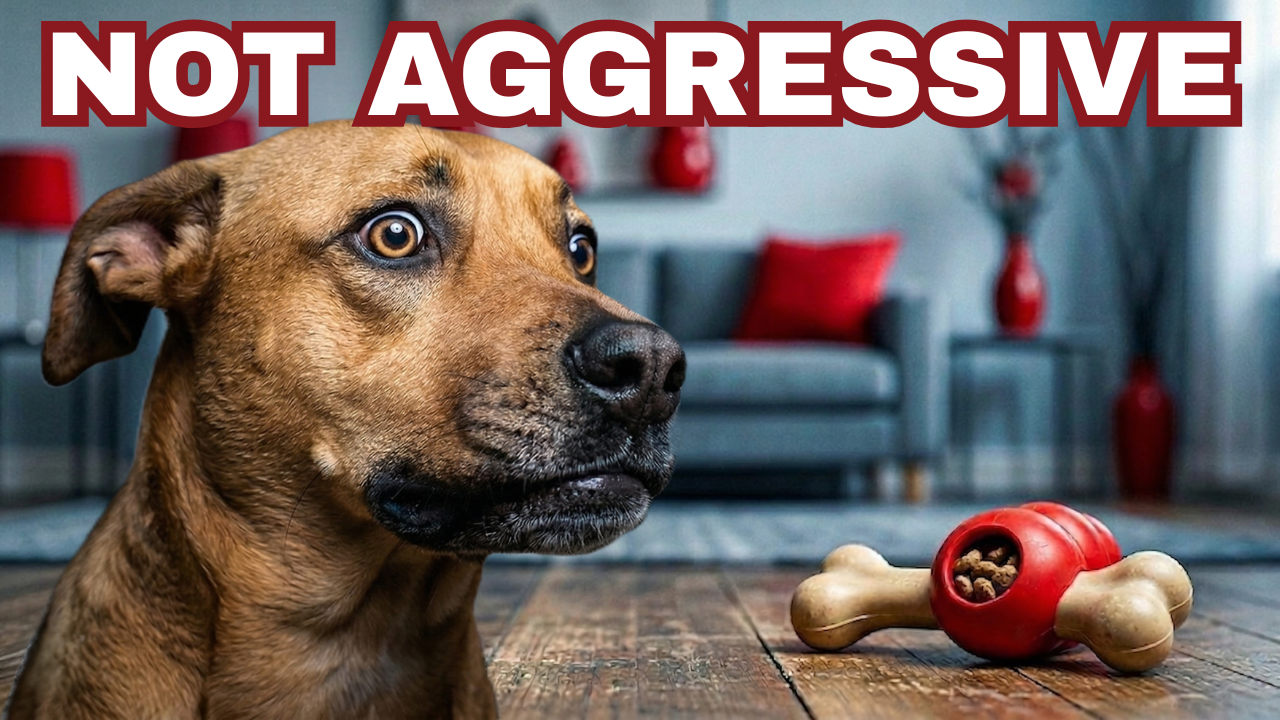
When a dog guards resources, but won’t actually interact with them
Should you take your dog’s resource away if it causes stress, or is the activity providing your dog essential enrichment?
Meet Franklin, a fearful dog whose strange dog resource guarding behavior involves crying for up to an hour over high-value treats. His dog behavior is not aggressive, but it is concerning.
In this article, you’ll learn:
In This Article, You Will Learn:
The "Band-Aid" Trap: Why simply removing a high-value item (like a Peanut Butter Kong) fails to address the root emotional cause of your dog’s stress.
The Cycle of Trigger Replacement: How avoiding one stressful object can lead to your dog finding a brand-new—and potentially more difficult—item to obsess over.
A New Perspective on Resource Guarding: Why certain guarding and "nesting" behaviors are actually rooted in natural canine ethology rather than just "bad" behavior.
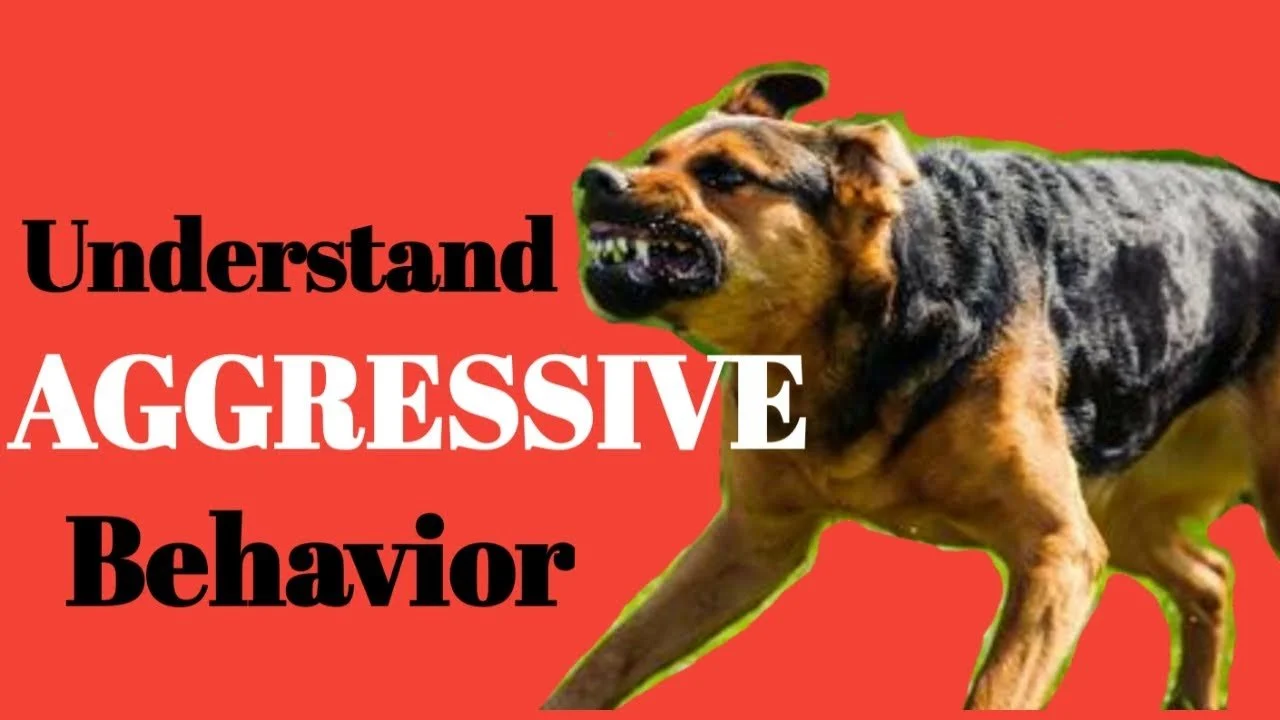
Dog Aggression - Most Dangerous Mistake Owners Make in Aggression Training
the most dangerous mistake you can make in dog aggression training
If your dog is aggressive in any context, you already know you dog needs training. The problem is that countless dog trainers teach that “training” means correcting the aggressive behavior literally while it’s occurring.
Correct dog aggression rehabilitation practices are designed to prevent the aggressive/reactive behavior from happening in the first place, not “correct” it after your dog is already over threshold.
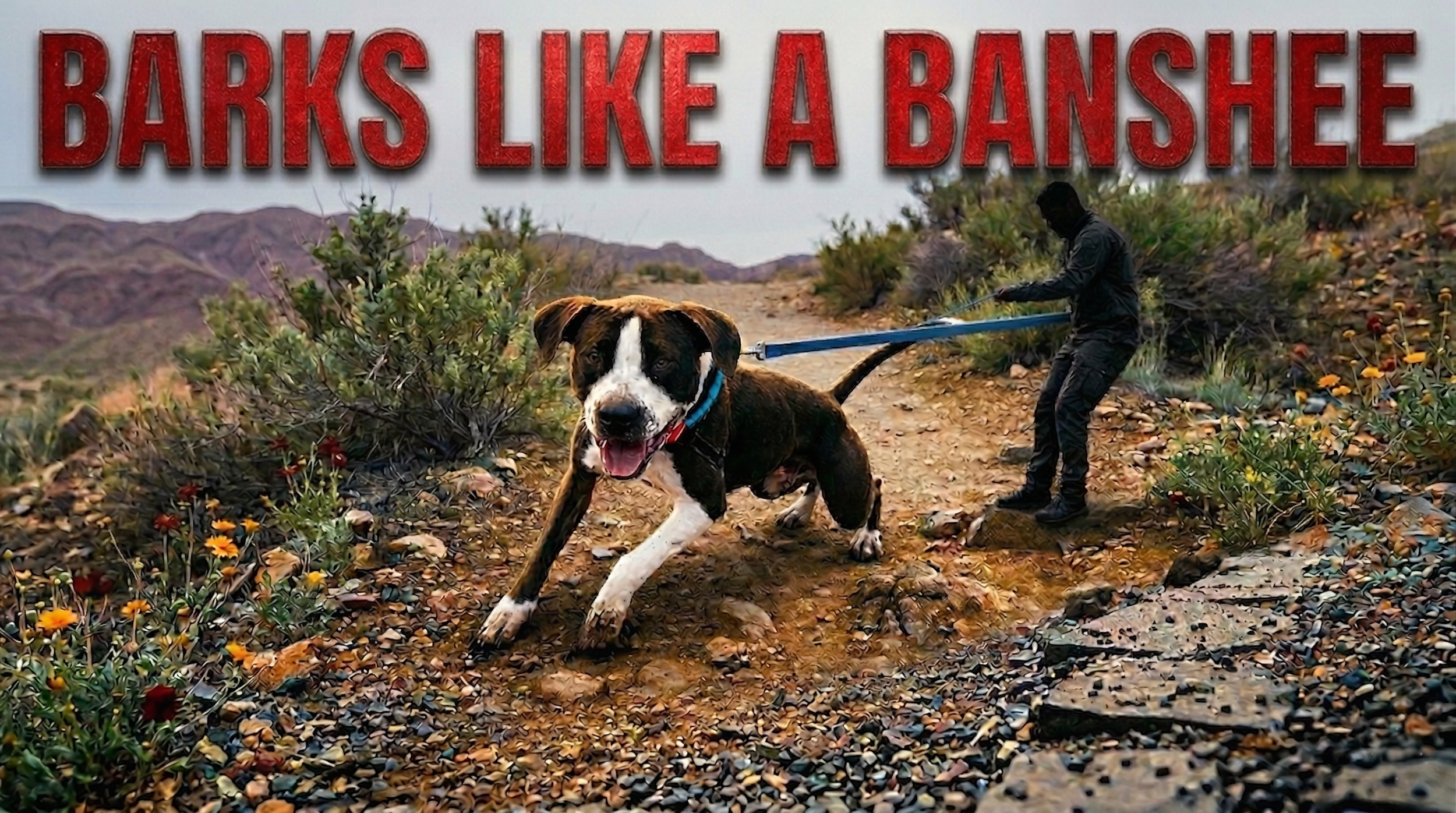
How to Train Dog Leash Reactivity on Walks
This ENDED his Dog Leash Reactivity in 1 Session (Stop Barking & Lunging on Walks)
An out of control dog barked and lunged at other dogs on walks. This reactive dog tutorial shows you how we trained this leash aggressive Pittie to stop barking at other dogs. Dog reactivity training and leash aggression training start with training your dog not to bark and pull at other dogs. If your dog is barking and lunging on leash, you can stop dog reactivity fast by training your reactive dog to engage/disengage with other dogs. Learn how to train a reactive dog to behave, be calm, and ignore other dogs on leash.
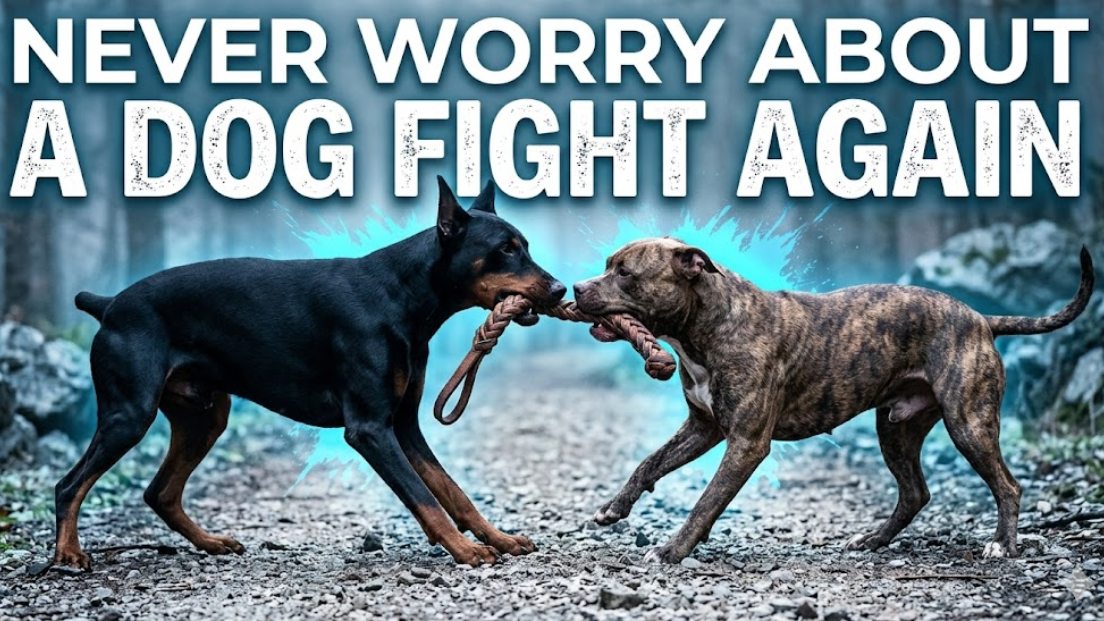
Read your dog’s play body language better than 99% of owners
Become so INSANELY good at reading dog play behavior, people think you’re a trainer. 🤯
This dog body language breakdown focuses on dog play behavior, so owners know what dog fighting vs good dog play looks like between dogs, how owners can play with their dogs without their dog biting or nipping at them, and how to easily read dog body language communication better than 99% of dog owners.
Key dog communication takeaways include: submissive and dominant dogs in play sessions; what to do about dog humping during play; what to do when dogs are playing too rough; examples of dog fighting vs dogs playing; dog decompression signals like shake-offs and sneezes that indicate a dog is calming himself; how leashes can frustrate and impair safe dog play; breed-specific play-style differences (e.g., herding breeds, retrievers, small breeds); excessive biting and mouthing during play; resource guarding toys vs healthy competitive toy play; dog barrier frustration through fences; distinguishing dog-directed vs human-directed barking; and improving dog-owner play sessions by adding in pauses for natural dog behaviors.
How to Train Hyper Dogs to Calm the F* Down
Let's train your dog to focus while over-aroused.
Train a hyperactive dog to stay calm and focused even while playing. In this dog training tutorial, we'll use positive reinforcement methods - mainly using play as a reward - to train your dog how to stay focused even when your dog has too much energy and even when your dog is acting crazy.